#grandegyptianmuseum Follow the journey of the two colossal statues of a queen and a pharaoh, discovered in the temple area of the sunken city of Thonis-Heracleion, from underwater excavation to their display at museums. For more information visit: https://www.franckgoddio.org/
|
A team of underwater archaeologists has made new discoveries at a sunken temple in the ancient port city Thonis-Heracleion, which is now located off Egypt’s coast, the European Institute for Underwater Archaeology (IEASM) announced on Tuesday, Writes ARTNews The city, which was initially found underwater by the IEASM in 2000, was once Egypt’s largest port along the Mediterranean Sea. That port was active for centuries before the founding of Alexandria in 331 BCE. Its remains are now under the ocean roughly 4.3 miles from the current coastline. 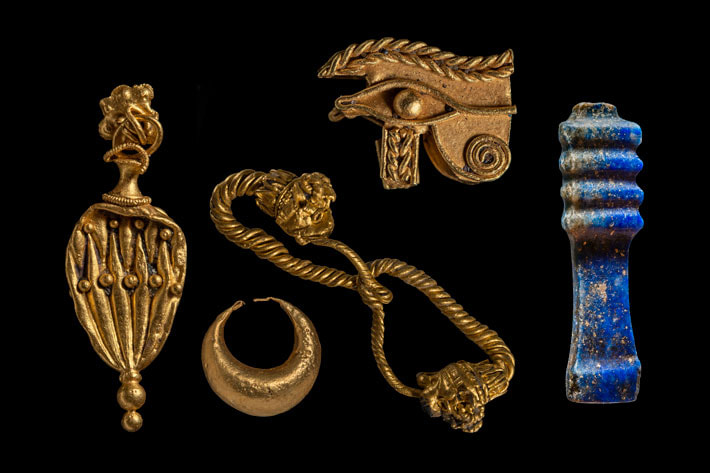 Artifacts at a Greek sanctuary to Aphrodite among the ruins of the ancient city Thonis-Heracleion. © Franck Goddio/Hilti Foundation. Photo Christoph Gerigk
Led by French marine archaeologist Franck Goddio, the team found huge blocks of stone from a collapsed ancient temple dedicated to the god Amun. Pharaohs went to the temple to be bestowed with their power as king. Additionally, the team found precious objects, among them silver ritual instruments, gold jewelry, and alabaster containers for perfumes and ointments. These objects are thought to have once belonged to the temple treasury. Excavations conducted by Goddio’s team and the underwater archaeology department of Egypt’s ministry and tourism department yielded underground structures supported dating back to the 5th century BCE. Before these structures sunk, they were supported using wooden posts and beams. The use of new geophysical prospecting technologies, which make it possible to detect buried chambers and objects, aided in the find. A Greek sanctuary to Aphrodite containing bronze and ceramic objects was unearthed east of the Amun temple. Archaeologists believe that the discovery of Greek weapons in the area indicated the presence of mercenaries who would have been defending access to the Kingdom. It also demonstrates that Greeks were allowed to trade and settle in the city during the Saïte dynasty (664–525 BCE). Even Business Insider is getting in on the exciting news of the recent finds of Franck Goddio's Team in Egypt 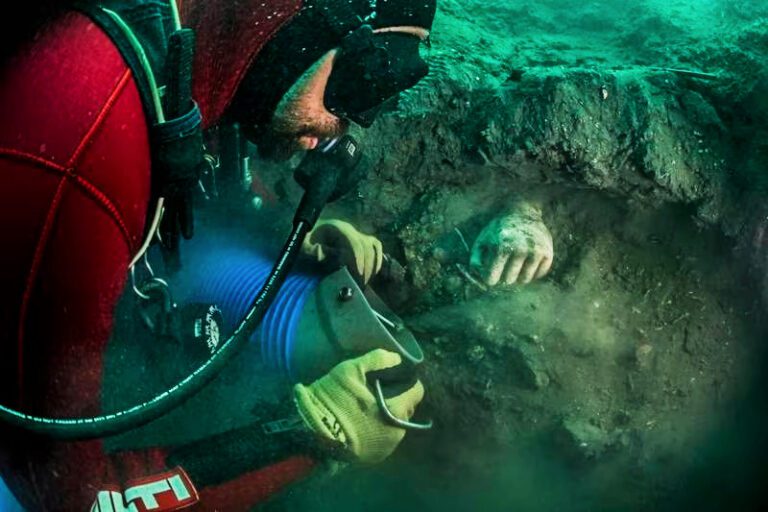 One of the Team with a very interesting find
© Franck Goddio/Hilti Foundation. Photo Christoph Gerigk They lay hidden on the ocean bed for more than 1,000 years, but now the treasures and secrets of an ancient city off the coastline of Egypt are being uncovered, reads the article from todays Independant The remains of a massive temple and a sanctuary dedicated to the Greek goddess of Aphrodite have been discovered in the underwater port city of Thonis-Heracleion by a team led by the European Institute for Underwater Archaeology (IEASM). The team explored the city’s south canal, where huge blocks of stone from the Amun temple were believed to have crumbled “during a cataclysmic event dated to the mid-2nd Century BC”, according to the IEASM. 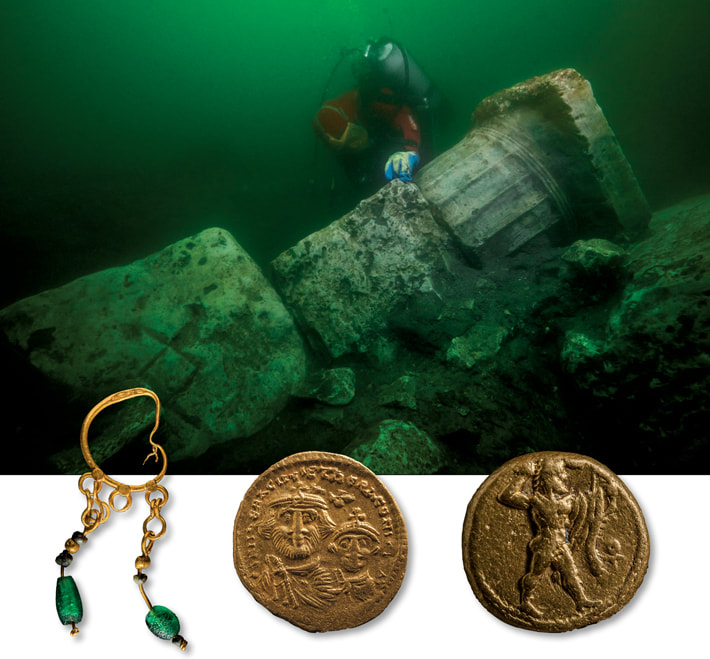 (Christoph Gerigk ©️ Franck Goddio/Hilti Foundation, franckgoddio.org) Top: Greek temple remains, Thonis-Heracleion, Egypt. Clockwise from left (above): Byzantine jewelry, Canopus, Egypt, Byzantine gold coin, Canopus, 4th-century B.C. bronze coin, Thonis-Heracleion The search also revealed gold and silver treasure from the sunken temple, including artifacts that were used to bless the pharaohs as they ascended to the throne. It also found the sanctuary to Aphrodite along with ancient Greek weapons.
The discoveries suggest that Greeks were allowed to relocate, live and worship in the ancient Egyptian city, now located in the Bay of Aboukir near Alexandria. Archaeology Magazine covers the recent finds of Franck Goddio's team, emphasizing the connection between the Greek and Egyptian Cultures. This statue of a Queen of Egypt, emerging from the sea in a wet, transparent tunic clinging to her body, is attributed to Arsinoé II. Can you imagine the desire amongst the divers on Franck's team to find the remaining pieces of this beautiful statue in the submarine desert sands of Canopus? I'm re-watching these videos Franck Goddio made about some of the greatest finds during the ongoing underwater archaeological excavations of Sunken Egyptian Cities. 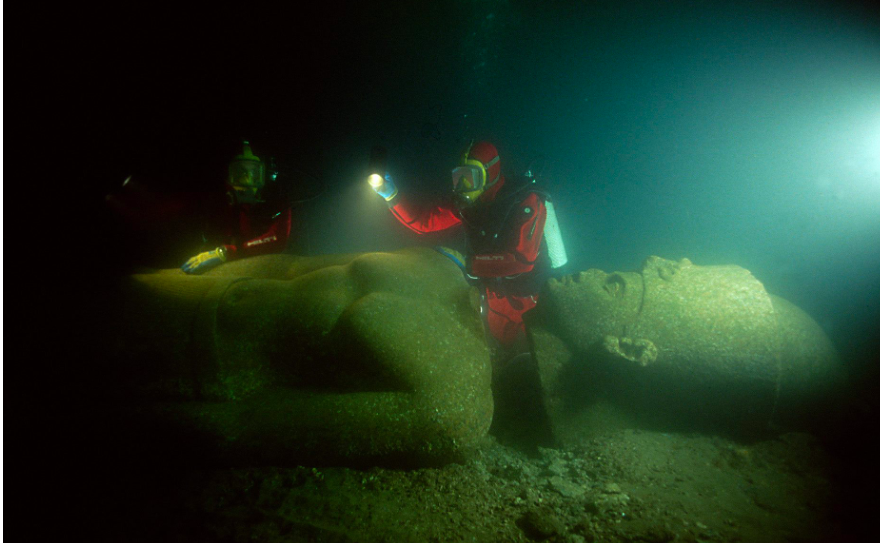 After a millenium under the sea, and a few years on tour of the worlds cultural capitals as part of exhibitions of the finds of the IEASM, the colossal statues of an Egyptian Queen dressed as Isis and her double-crowned Pharaoh King have found a permanent home at the Grand Egyptian Museum in Cairo, Egypt. The long anticipated Museum opening has not yet occurred, but eager visitors can already see the Royal Couple in their place of prominence. So far from where Franck Goddio's team of divers found them. I am so proud to be part of that team, and remember the discovery like it was yesterday. CNN just covered the opening in a video clip here. I hope you enjoy it. 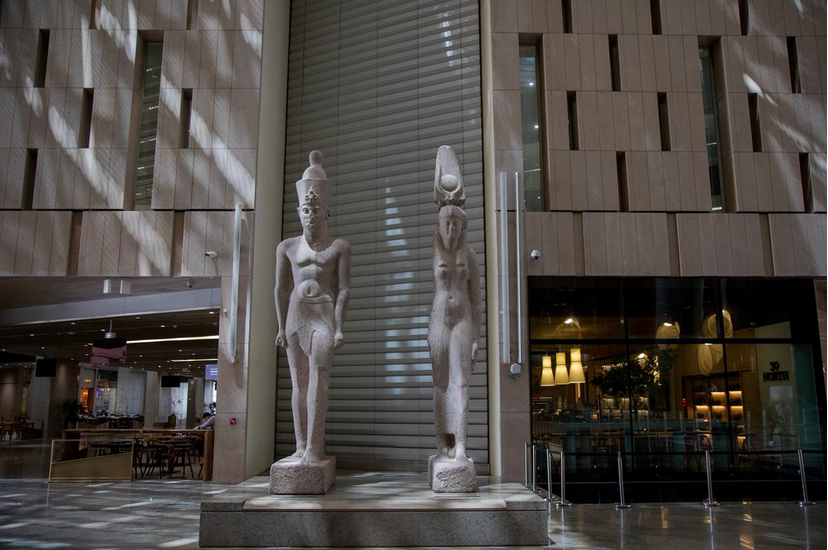 I found this on Reddit r/MapPorn (not exactly a reputable location for research) Its a great visualization of how much sea level has changed in near pre-history, and how people were able to walk from Europe to Stone Henge and back. But the redditors nicked it, via Nat Geo, from the below authors; Sources: Simon Fitch and Vincent Gaffney, U of Birmingham, UK; North Sea Paleolandscapes Project 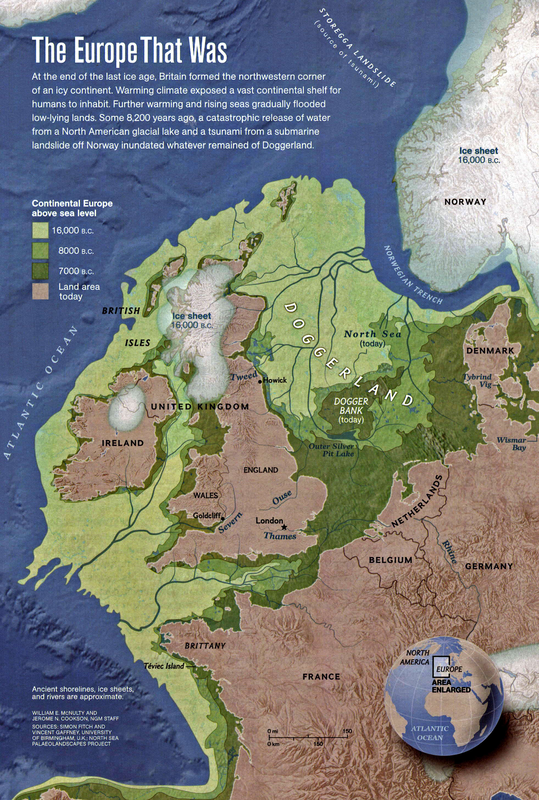 New Project; Researching all the Sunken Cities of the World, (and calling out the internet fakes)8/4/2023 Seeing as I spent over 20 years diving on the most important sunken cities in history as part of the team of legendary Underwater Archaeologist Franck Goddio, I ought to know what the competition is, right?
But there are a lot of sites with "Submerged Cultural Resources" (as the experts call them) out there, and with new technology and interest, new ones pop up regularly. Not to mention the plethora of malignant videos and articles offering photoshopped and AI produced images of fantastical underwater scenes that never existed. So I'm doing some digging, for my own interest, and will be plopping the interesting bits in here as posts. Step one; A google search of the words "Sunken Cities" results below: Inconceivably, Heracleion did not come in first place! Scandalous! |
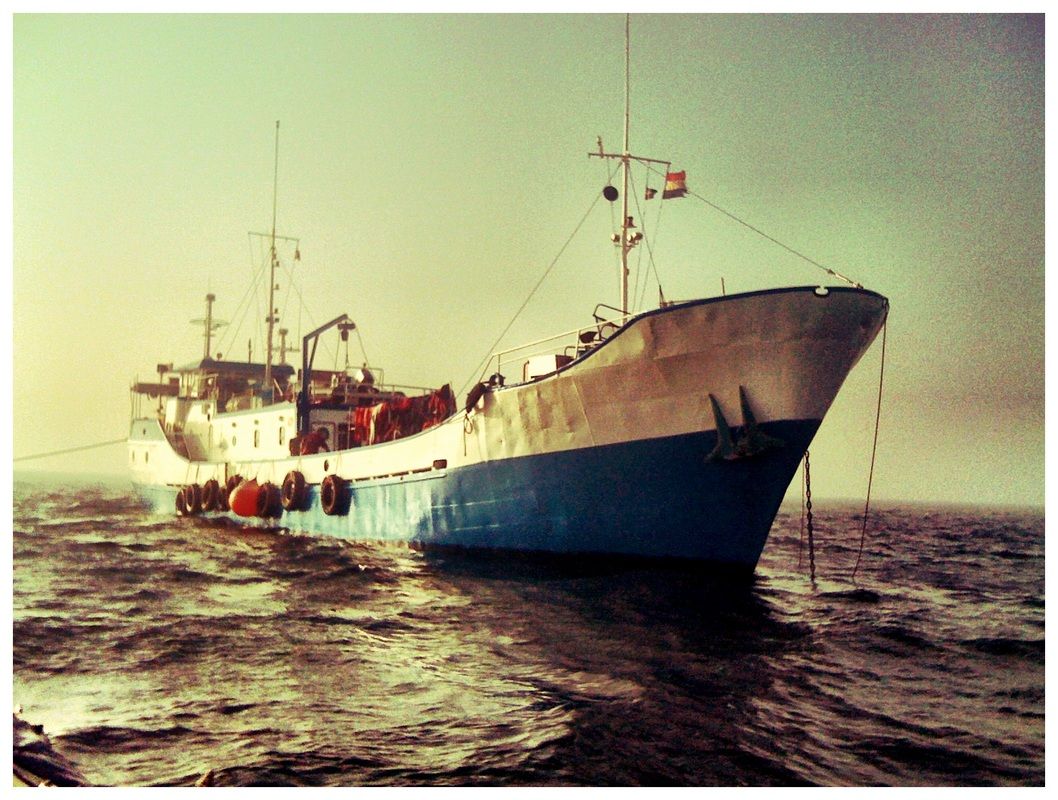
Recent Mission: Captain of Underwater Archaeology support ship in Malta and Egypt
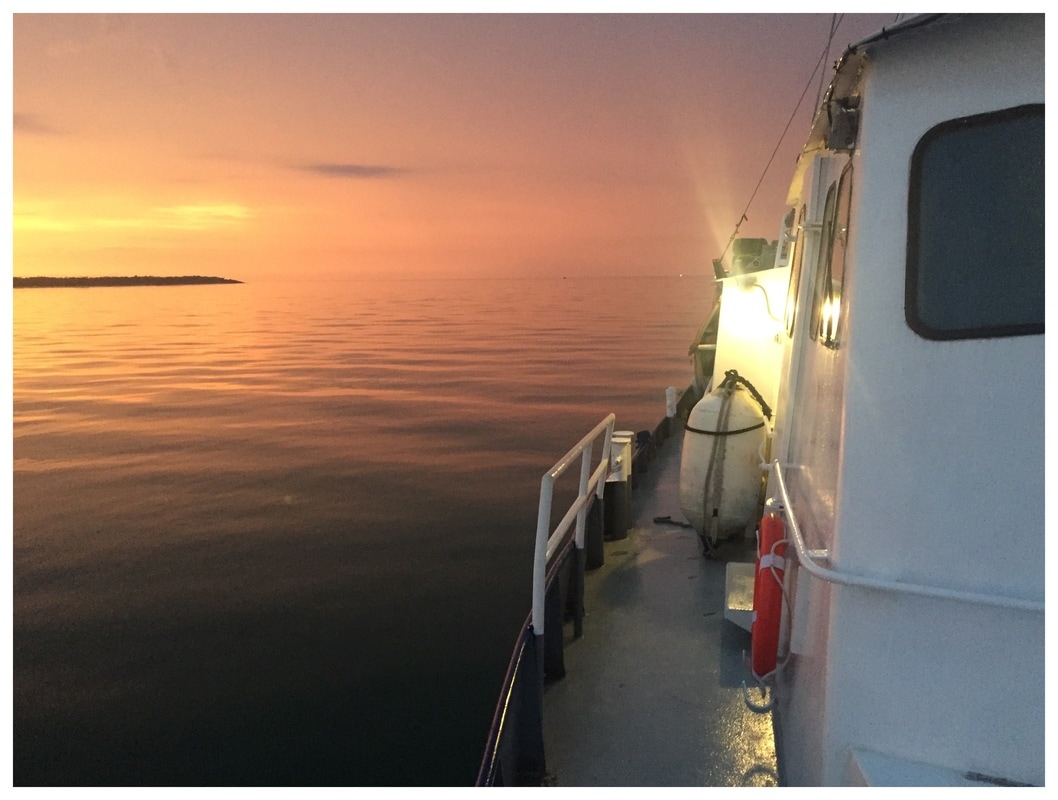
Recent Project: Develop shipwreck-hunting robot
 My Name is Eric and My Job is Scientific Exploration.
That means I'm lucky enough to join expeditions to excavate sunken cities, climb volcanoes, find missing bombs, and Sail old research vessels, while searching for the mysteries of the natural world. Categories
All
Recent Mission:
Excavation of Sunken Egyptian Cities. May/June/July 2019
Recent Mission: HAUV undersea robotics development development project,
Key West, Florida
Recent Mission: Diving in Louisiana Bayou's for Discovery Channel Series "The Killing Fields" October 2015
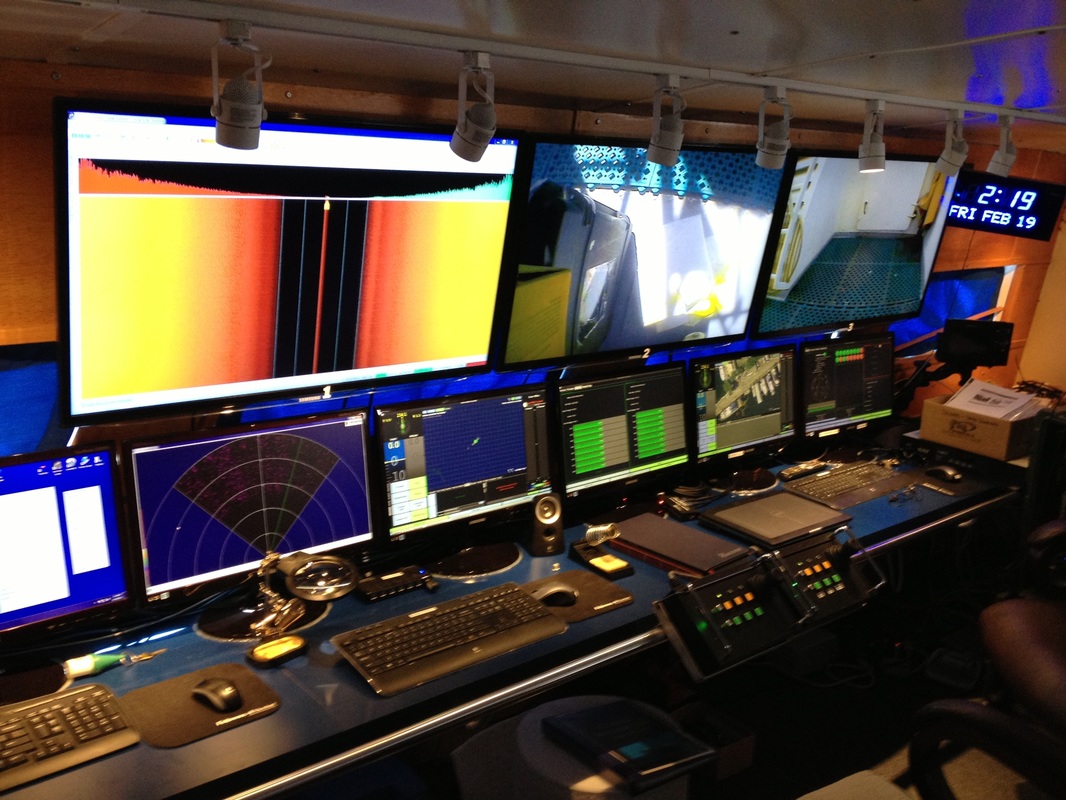
Recent Mission: Underwater Robot Development Program, Cape Canaveral, Florida July-September 2015
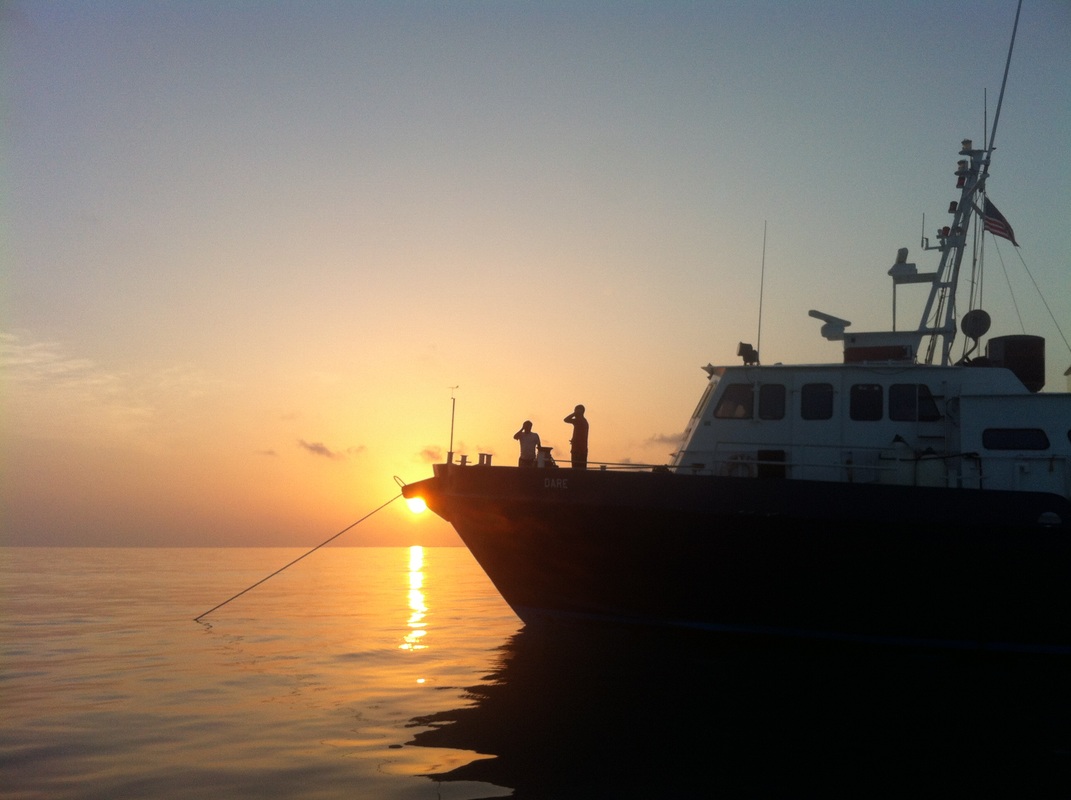
Recent Mission: Underwater Robotoics Development Project in the Florida Keys, March/April 2015
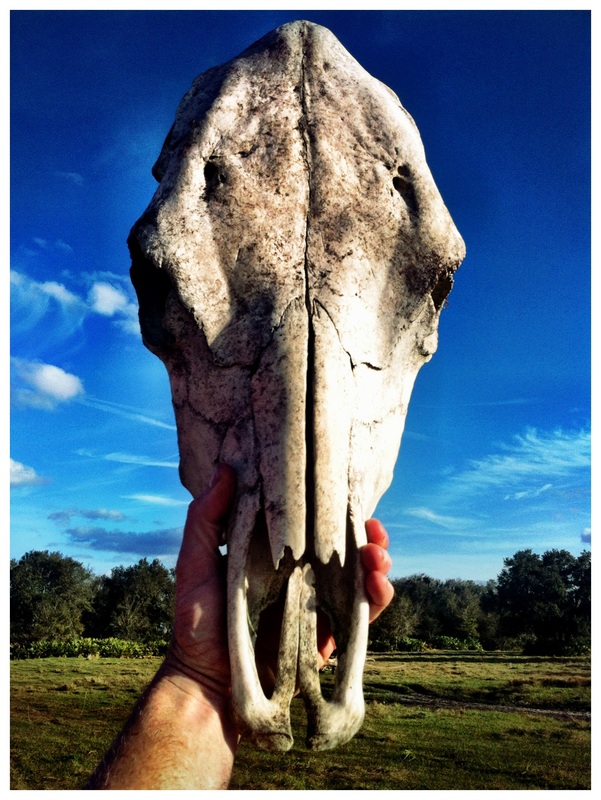
Recent Mission: Meteorite Hunting, January-February 2015
Recent Mission: UXO Detection In Laos With Aqua Survey, Inc. November-December. 2014
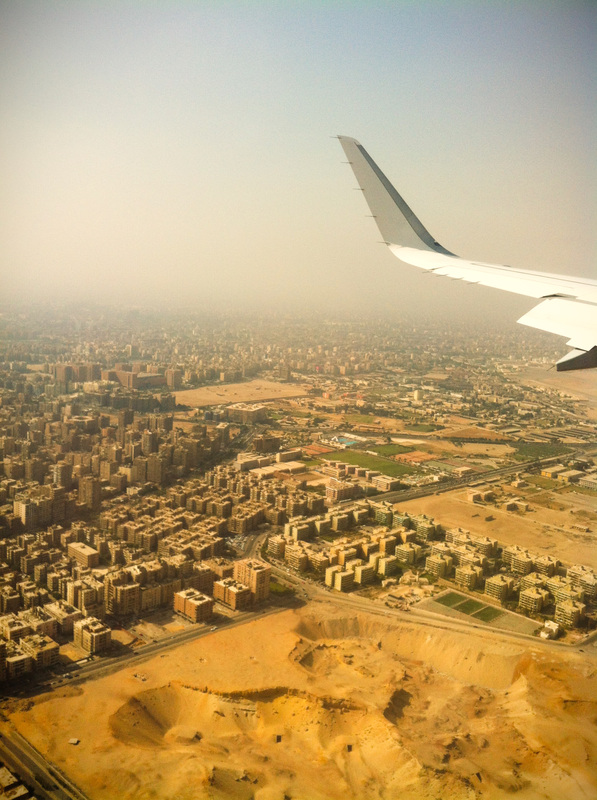
Recent Mission: Archaeology in Egypt, September-October 2014
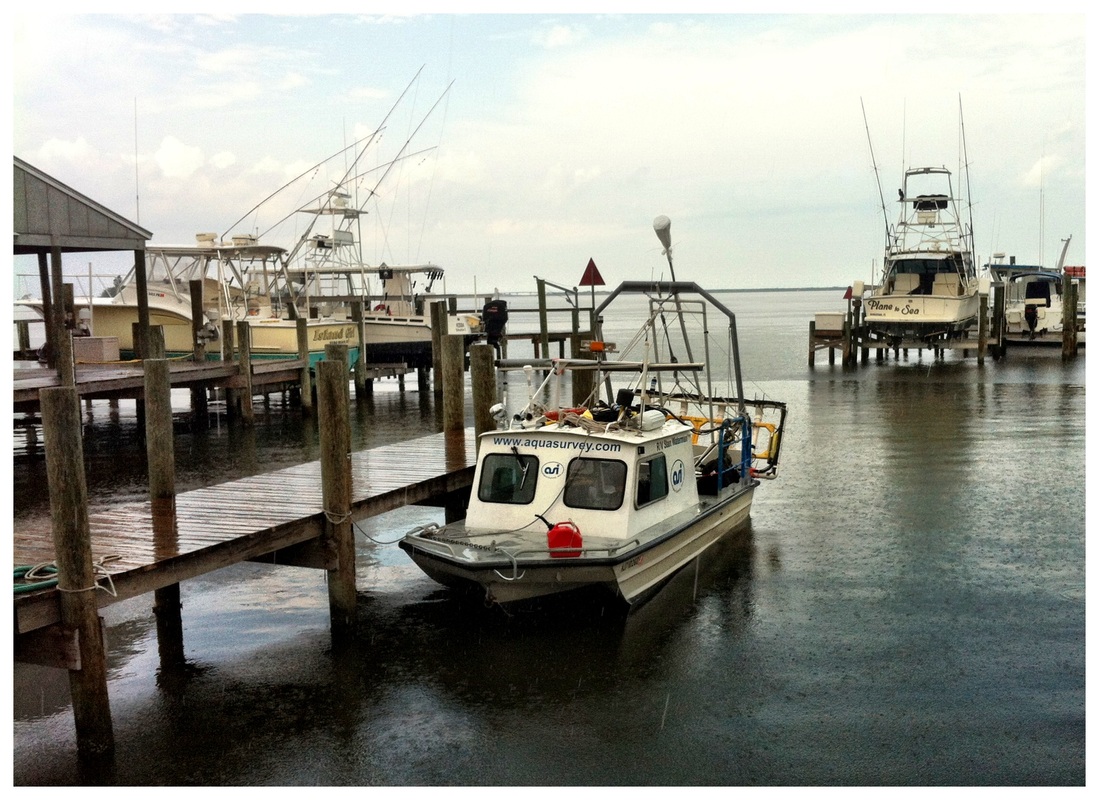
Recent Mission, July/August 2014: Manage a marine geophysical field research lab in Florida for Aqua Survey, Inc.
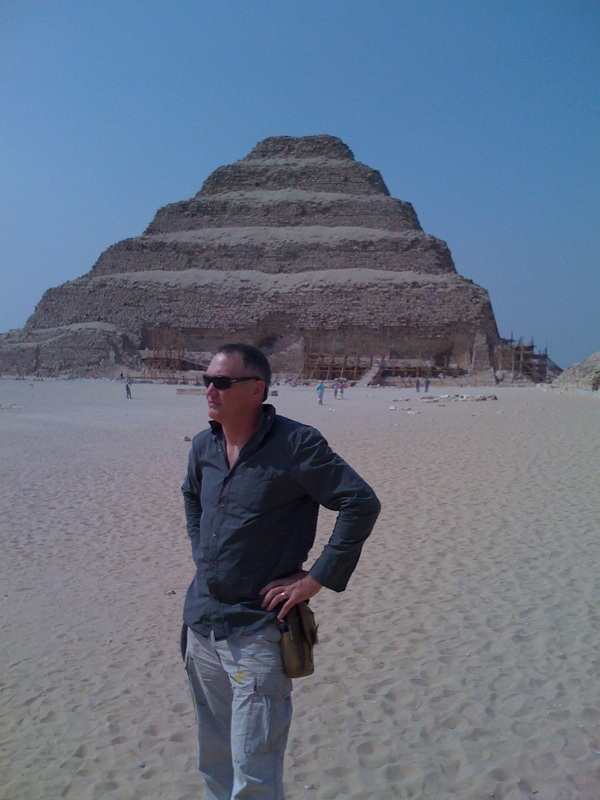
Recent Mission: Underwater Archaeology in Egypt with the Institut Européen d'Archéologie Sous-Marine. May/June 2014
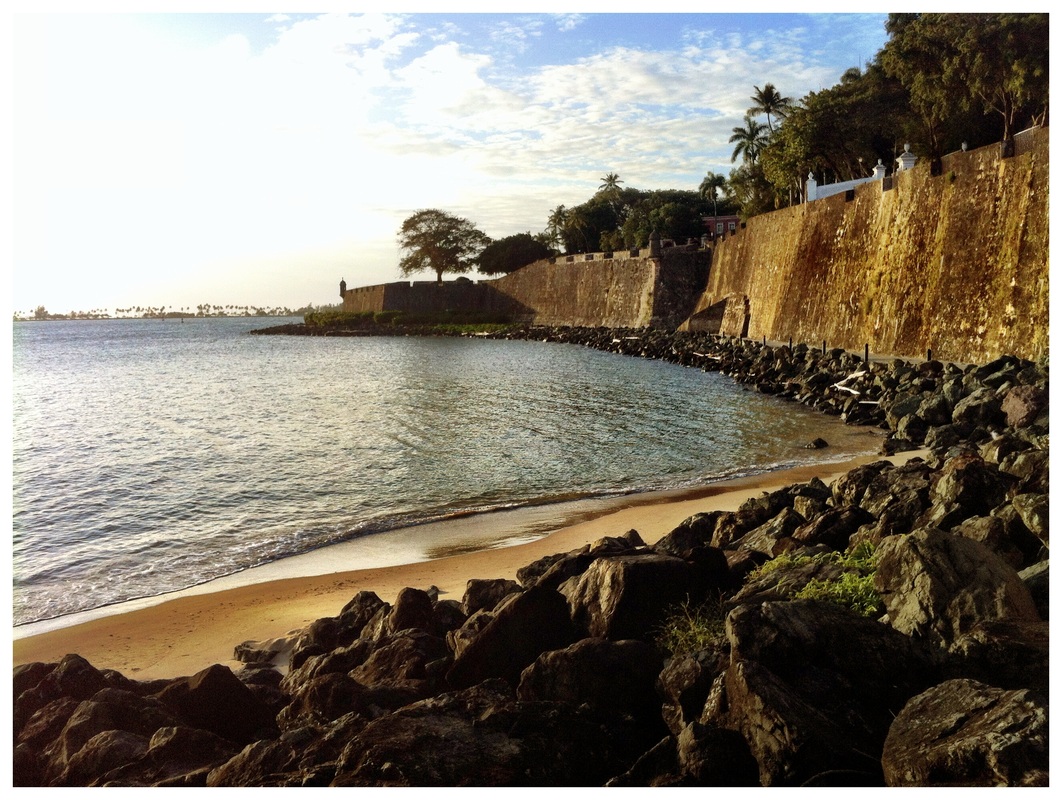
Recent Mission, February-April 2014: Investigate the Origins of the Taino Voyages of Exploration to Colonize the Eastern Caribbean.
Recent Mission: December 2013
Location: The Andes Mountains.
Objective: Help NASA Prepare a Robotic Research Vessel to Explore the Methane Seas of TItan.
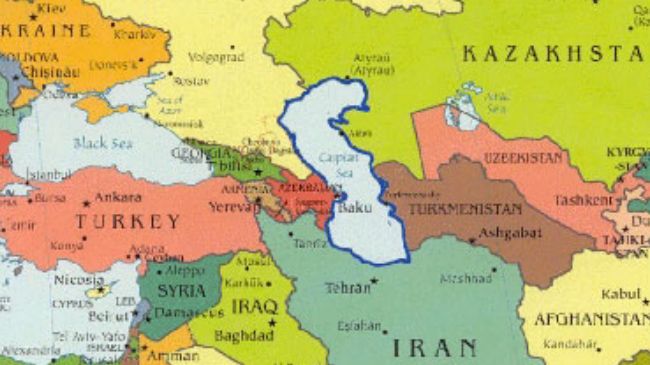
Recent Mission: Explore Depths of the Caspian Sea; April-June 2013
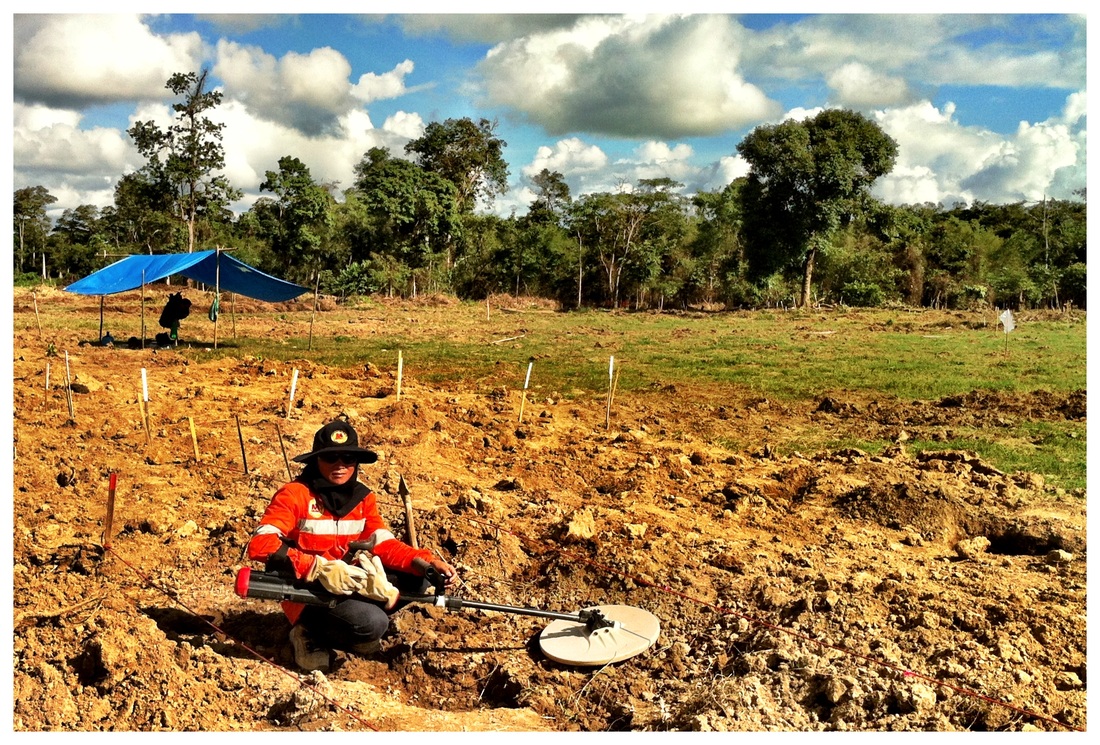
Recent Mission: Return to Laos to Hunt for Unexploded Bombs with ASI, February/March 2013
 Recent Mission December 2012:
Launch a Robot in an Andean Lake for NASA 
Here is an Interview by Budding Journalist and middle school student Jonathan Padover, Sponsored By Aqua Survey
Archives
June 2024
|
 RSS Feed
